Dark leaf shisha is a different category of hookah tobacco entirely — not just a stronger version of what most people start with. It is made from Burley leaf, air-cured and naturally dense with nicotine, delivering a session character that blonde leaf simply cannot replicate. If you have been smoking blonde leaf for a while and something feels missing, the answer is probably here.
The distinction matters more than most guides acknowledge. Even dark leaf varieties that undergo a light wash to moderate nicotine levels still deliver a significantly stronger, more complex session than anything produced from Virginia or blonde leaf. This is not a marginal difference — it is a fundamentally different experience from the ground up.
What Is Dark Leaf Shisha?
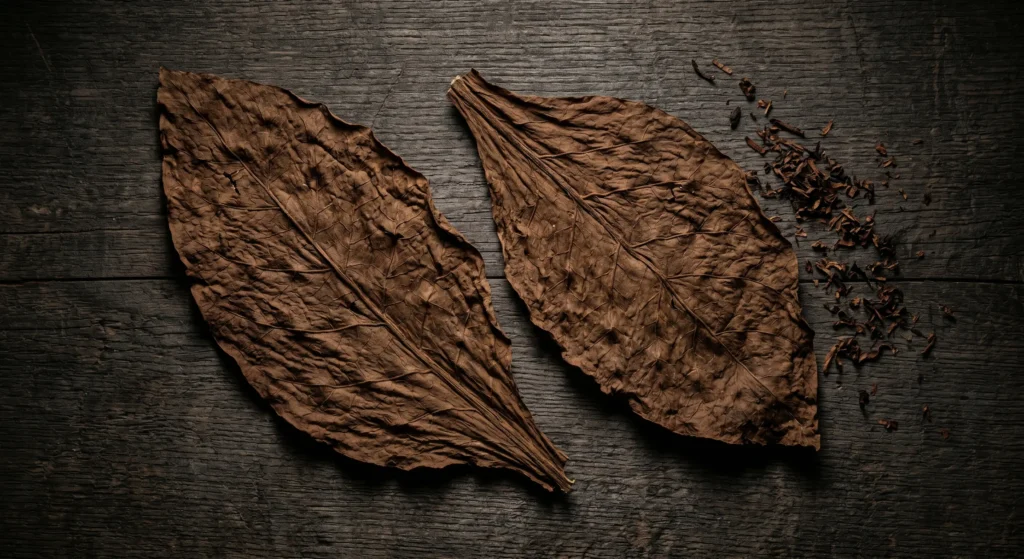
Dark leaf shisha is hookah tobacco made from Burley leaf — air-cured, dense, and naturally high in nicotine. Most dark leaf is produced from unwashed or minimally processed tobacco, preserving the leaf’s full natural nicotine and tannin content. Some producers apply a light wash to reduce harshness while still retaining the Burley’s intensity — the result is still considerably stronger and more complex than blonde leaf shisha, which strips nicotine almost entirely through full washing.
You will also see it referred to as black leaf shisha — the terms are interchangeable and refer to the same product and production philosophy.
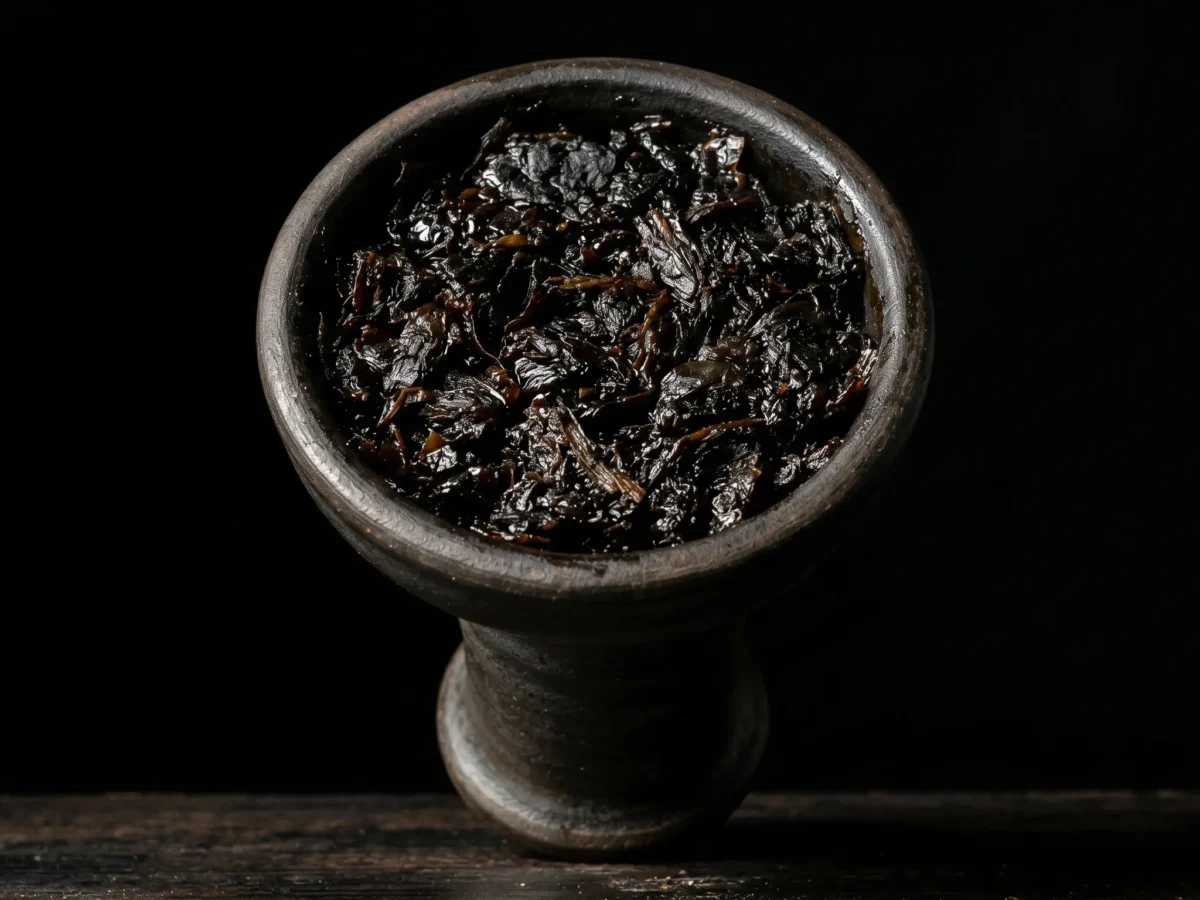
The visual difference is immediately apparent: deep brown to near-black colouring, a stickier texture, heavier consistency compared to the pale, loose cut of blonde leaf. The aroma straight from the container tells the rest of the story. Brands built on this philosophy understand that there is nothing to apologise for in that complexity. Mezza, for instance, uses high-grade Burley leaf as its foundation precisely because of what the leaf naturally contains — not in spite of it.
The Role of Burley Tobacco in Dark Leaf Shisha
Burley tobacco is the leaf variety that defines the dark leaf category. It is air-cured rather than flue-cured, which means it dries slowly without applied heat — a process that results in naturally low sugar content and notably high nicotine levels.
For dark leaf production, these characteristics are exactly what is needed:
- Burley absorbs flavouring agents deeply, holding fruit, mint, and dessert profiles without losing the tobacco backbone underneath
- The low sugar content means it produces a cleaner smoke with less harshness when managed correctly
Some premium producers blend Burley with Oriental or Virginia leaves to add complexity — a floral note here, a slight sweetness there — but the Burley base remains the anchor. For Mezza, that foundation is non-negotiable: the intensity and deep absorption capacity of Burley leaf is what makes its flavour profiles work the way they do.
How Dark Leaf Is Made
The difference between dark leaf and blonde leaf begins in production, and it shapes everything the smoker experiences.
How dark leaf shisha is made:
- Burley leaf is air-cured — dried slowly without applied heat, preserving natural nicotine and tannins
- Leaves are left unwashed — or in some cases lightly washed to reduce harshness while retaining the Burley’s natural intensity and nicotine strength
- Molasses and vegetable glycerin are blended into the cut tobacco — glycerin for smoke production, molasses for binding and base sweetness
- Flavour extracts are added — fruit, spice, dessert, or herbal profiles depending on the blend
- Optional: a controlled fermentation stage to mature and mellow the blend without stripping character
- Final cut and packaging — typically a coarser, wetter cut than blonde leaf, with a heavier consistency
The washed process used for blonde leaf goes further: leaves are soaked, boiled, or rinsed aggressively to strip nicotine and tannins almost entirely before flavouring. The outcome is fundamentally different tobacco. Two products that look similar in a bowl perform entirely differently in a session.
Dark Leaf vs. Blonde Leaf Shisha — What’s the Real Difference?
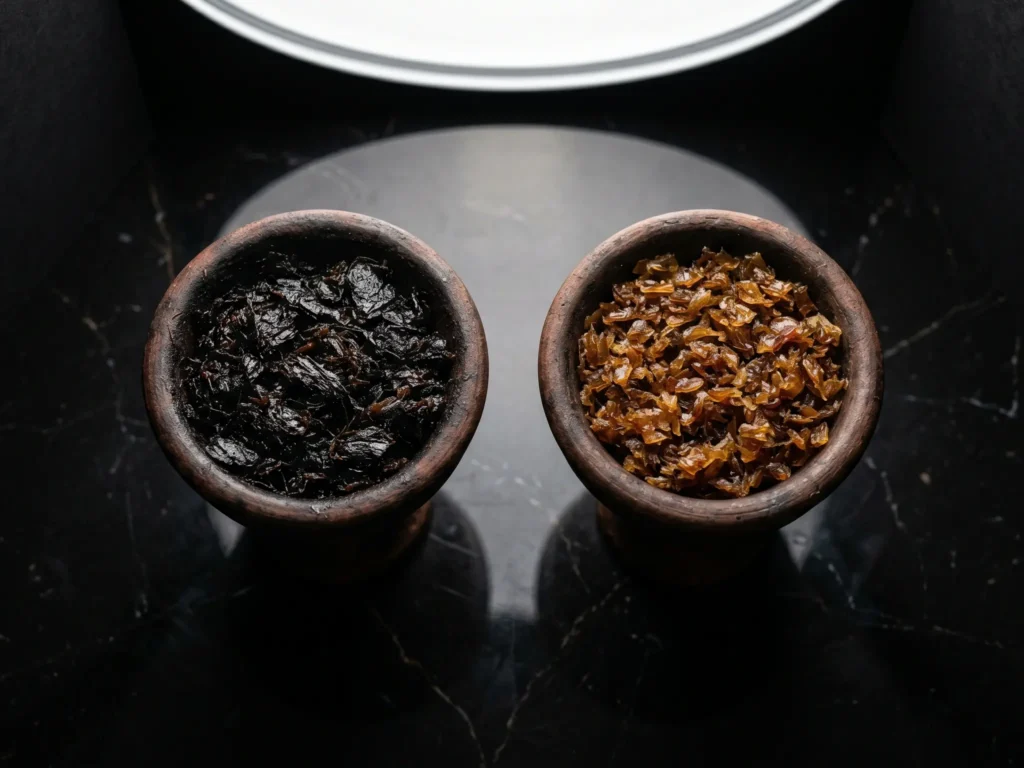
| Factor | Dark Leaf Shisha | Blonde Leaf Shisha |
| Base leaf | Burley leaf | Virginia leaf |
| Leaf processing | Unwashed / lightly washed | Fully washed |
| Nicotine level | Moderate – High | Low |
| Tobacco flavour | Earthy, robust, present | Mild or absent |
| Flavour character | Complex, layered | Sweet, bright, clean |
| Ideal bowl | Classic, Killer bowl / Alien bowl (heat concentration) | Phunnel bowl (juice retention) and Classic |
| Suited for | Experienced smokers | All levels |
The practical implications go beyond flavour preference. Bowl selection for dark leaf shisha is a technical decision, not an aesthetic one. The killer bowl and alien bowl are the superior choices for Burley leaf — and the reason comes down to heat behaviour, not juice retention. Burley is a denser, drier leaf compared to Virginia-based blends. It does not rely on retaining liquid moisture to perform; it needs sustained, concentrated heat delivered consistently through the pack. The killer bowl and alien bowl are engineered for exactly this — their geometry focuses heat downward through the tobacco mass rather than dispersing it outward, which is what Burley requires to unlock its full flavour and nicotine delivery across a long session.
The phunnel bowl, by contrast, excels at juice retention — making it the correct choice for Virginia and blonde leaf shisha, where the natural juices and molasses runoff are part of what keeps the session alive. Applying phunnel logic to a dense pack of Burley produces a session that underperforms what the tobacco is actually capable of. Match the bowl to the leaf, not to habit.
Blonde leaf tolerates a much wider range of technique. Dark leaf does not — which is part of what makes mastering it satisfying.
Flavour Profile — What Does Dark Leaf Shisha Actually Taste Like?
Set the right expectation before the first session: dark leaf shisha is not a pure fruit flavour. The earthy tobacco undertones are always present — they are the point, not a flaw.
The flavour architecture works in layers. The top notes come from the added flavouring — the fruit, the cooling agent, the dessert profile. The base notes come from the Burley leaf itself: earthy, sometimes slightly nutty or woody, always present. Because Burley absorbs flavouring agents more deeply than washed leaf, the top notes in a well-made dark leaf blend are also more intense than their blonde leaf equivalents.
Where this becomes interesting is in how specific blends are built. Mezza’s Blue Mist, Rasporn, and Tickle Pickles are not designed to hide the tobacco. Each flavour sits on top of the Burley backbone rather than replacing it — Blue Mist layers blueberry, coconut water, and vanilla into something approachable without losing the tobacco foundation; Rasporn holds a clean fresh raspberry from the first draw to the last coal; Tickle Pickles takes the unexpected savoury cucumber angle that rewards adventurous palates. For mixing ideas across the full range, the Mezza mixology guide is worth exploring before the next session.
That layered experience is what experienced smokers are chasing. Single-note sweetness is available everywhere — flavour complexity is not.
Nicotine Content and the Throat Hit
The nicotine difference between dark leaf and blonde leaf is substantial. Burley leaf is naturally medium to high in nicotine, and because dark leaf processing preserves rather than strips that content — whether fully unwashed or only lightly processed — the nicotine levels remain significantly higher than anything produced through a full wash.
The throat hit — the physical sensation at the back of the throat on the exhale — is one of the defining characteristics of the dark leaf experience. For smokers who have built their tolerance on blonde leaf, the difference is immediately noticeable. For those crossing over from cigars or pipe tobacco, the profile will feel familiar.
The nicotine buzz that follows — a mild head rush, body warmth, a sense of weight to the session — is deliberate in a well-crafted dark leaf. With Mezza, the nicotine delivery reflects exactly what the Burley leaf base is capable of: real, consistent, and calibrated to the smoker who has done the groundwork to appreciate it.
Pace the session. Hydrate. Eat something beforehand. These are not disclaimers — they are practical session habits that improve the experience regardless of tolerance level.
Who Should Smoke Dark Leaf Shisha?
Dark leaf is a progression, not an exclusive club. Here is an honest breakdown of who it suits:
Ready for dark leaf:
- Experienced hookah smokers with established nicotine tolerance
- Cigar and pipe smokers transitioning to hookah — the natural Burley leaf character will align with what you already enjoy
- Smokers chasing longer, more complex sessions rather than quick, sweet ones
- Anyone who has noticed that blonde leaf feels thin or unsatisfying after extended use
Not the right starting point for:
- First-time or occasional hookah smokers — build tolerance and technique with blonde leaf first
- Smokers who prefer light, sweet, single-note flavours and have no interest in tobacco character
If you are somewhere in the middle — curious about dark leaf but not ready to abandon blonde entirely — blending is a legitimate transitional technique. A 70/30 ratio of blonde to dark in the same bowl lets you introduce the Burley character gradually while staying within a familiar session. Many smokers find this a more comfortable path than a cold switch. For proven blend combinations worth trying, the 9 must-try Mezza blends guide covers exactly this territory.
Dark leaf is also a palate development. Some smokers find the earthiness harsh in the first few sessions; it softens as technique improves and expectations recalibrate. That acclimation period is normal and worth pushing through.
Common Mistakes When Smoking Dark Leaf Shisha (And How to Avoid Them)
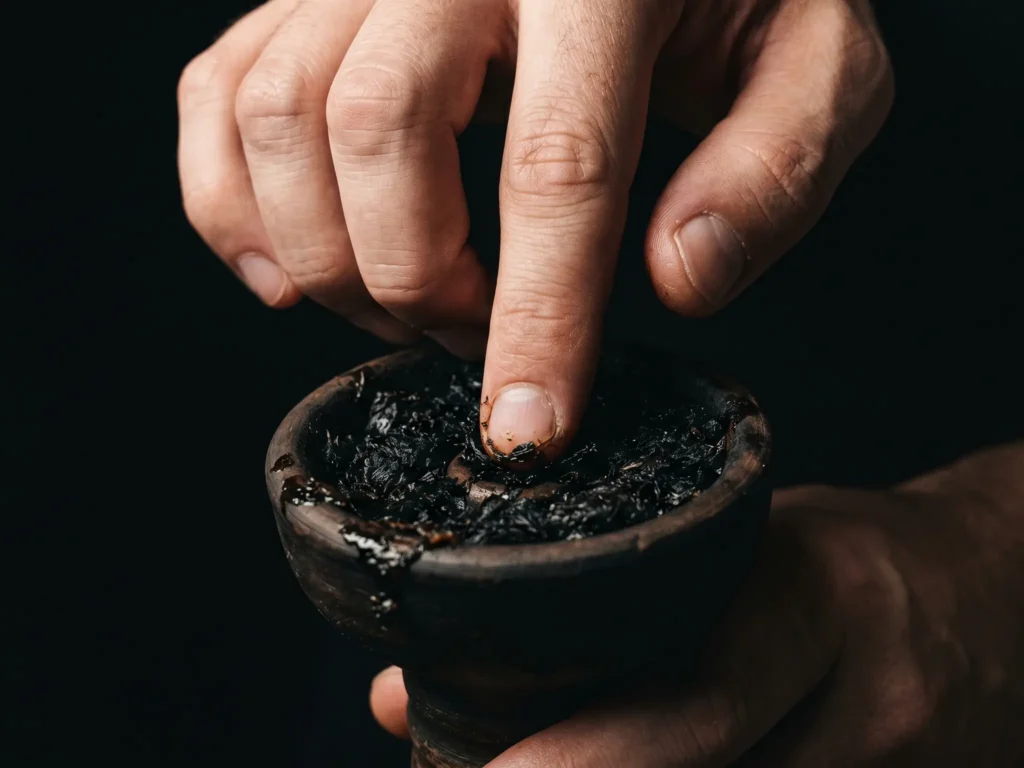
Most bad dark leaf sessions come down to technique, not the tobacco. The six most common errors:
1. Packing too loose
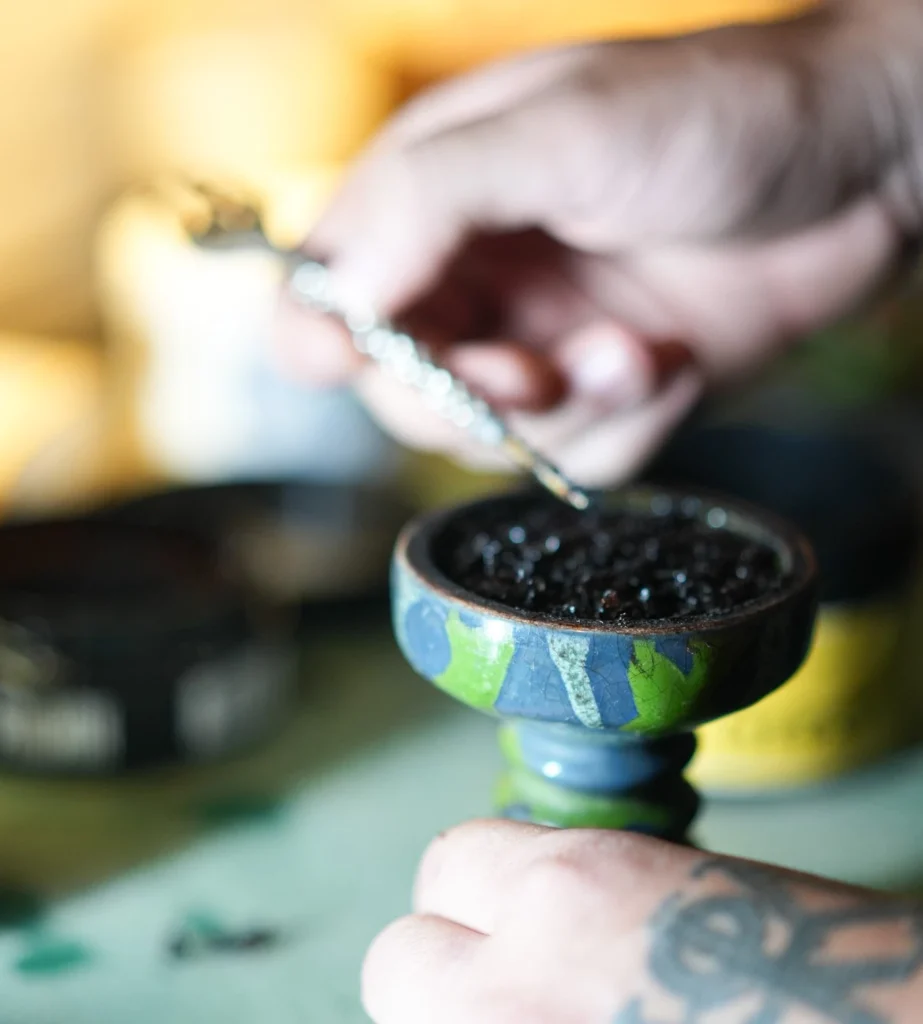
This is the most frequent mistake. Dark leaf requires a dense pack — pressing the tobacco firmly into the bowl so heat conducts through the mass evenly. A loose pack produces harsh, uneven smoke and wastes the session. The tobacco should push back slightly when tested through the foil.
2. Applying too much heat too fast
Dark leaf does not perform well under aggressive heat from the start. Too many coals applied immediately scorches the top layer and produces bitter, acrid smoke that does not recover. Start with two coconut shell charcoal coals and add a third only once the session has fully activated.
3. Not allowing a warm-up period
Dark leaf needs 5–8 minutes to fully activate before the first real draw. Rushing this stage produces thin, cool smoke that misrepresents what the tobacco is capable of. Patience at the start of the session pays dividends for the following hour.
4. Using quick-light coals
The chemical accelerants in quick-light coals produce off-flavours that interfere directly with dark leaf’s complex profile. Natural charcoal hookah coals — specifically coconut shell charcoal — are the standard for a reason. The clean burn preserves the flavour integrity that makes dark leaf worth smoking.
5. Expecting it to taste like blonde leaf
It does not, and it is not supposed to. If you pack dark leaf expecting a clean, sweet, single-note fruit experience, the session will feel wrong. Recalibrate before the first draw: the tobacco character is present, intentional, and part of what you are there for.
6. Storing dark leaf incorrectly
This is especially critical in tropical climates. Bali’s humidity regularly exceeds 80% — and high humidity is one of the fastest ways to ruin premium tobacco. Excess moisture breaks down the molasses coating, dilutes flavour concentration, and creates an environment where the tobacco becomes overly wet, loses structural integrity, and degrades before the container is even halfway finished.
The correct storage method for dark leaf in a tropical environment: always keep tobacco in a sealed, airtight container stored inside an air-conditioned room. Room temperature fluctuation and open-air humidity exposure are the two primary causes of flavour degradation in dark leaf — both are avoidable with the right habits.
Bonus Tip: If you open a container of dark leaf and the tobacco feels excessively wet, sticky beyond normal, or slightly “off” in aroma — do not pack it immediately. Spread a small amount loosely on a clean surface and let it breathe for 10–15 minutes in a cool, climate-controlled room before packing. This allows excess surface moisture to dissipate and restores consistency without over-drying the tobacco. It is a simple step that recovers what would otherwise be a compromised session.
HMD vs. Foil — Which Works Better for Dark Leaf Shisha?
Most dark leaf guides assume you are working with traditional foil. But if you already own a heat management device (HMD), the question of whether it changes your approach is worth answering directly before the first session.
The dense pack method stays exactly the same regardless of which heat delivery method you use. Press the tobacco to the same depth and firmness either way — the difference is entirely in how heat reaches the tobacco, not in how the tobacco is prepared.
Using an HMD:
The easier and more practical option for most dark leaf sessions. HMDs distribute heat in a circular pattern across the entire bowl surface — a more even heat spread compared to the concentrated point heating of foil. Temperature control is straightforward: slide a coal out to cool the session down, push it back in to raise the heat. No repositioning, no guesswork. The enclosed design also means you are not buying foil as a consumable every session, which adds up quickly over time. For smokers new to dark leaf who are still calibrating their heat management, an HMD removes much of the early-session uncertainty.
Using traditional foil:
Foil concentrates heat at the points where coals make direct contact — a more focused, intense delivery compared to the distributed warmth of an HMD. Because foil is thin and sits in direct contact with the tobacco surface, the tobacco heats up faster and more aggressively. This produces a more intense flavour complexity and a stronger initial throat hit — which experienced smokers often prefer for the first half of a session. The trade-off is that temperature control requires more active management: rotating coals, adjusting position, and reading the session closely to avoid scorching the top layer of the dense pack. Foil is also an ongoing cost — a minor consideration but worth noting for regular smokers.
The practical takeaway:
Both methods work well with dark leaf. An HMD is the better starting point for smokers still developing their heat management technique — the circular heating pattern and simple coal-in-coal-out temperature control make the warm-up phase far more forgiving. Foil rewards the smoker who has dialled in their technique and wants maximum flavour intensity from the Burley leaf base. Neither is wrong — they are simply different tools producing different session characters from the same tobacco.
How to Choose a Dark Leaf Shisha Brand — And What Mezza Gets Right
The dark leaf market has grown significantly. More brands now compete in this space, which means more variables when choosing where to spend your money. The right criteria to evaluate:
Leaf quality and sourcing — the base leaf determines everything. High-grade Burley leaf from a reliable source produces consistent nicotine levels and reliable heat resistance. Lower-grade blends produce inconsistent sessions regardless of how the flavouring is applied.
Cut consistency — dark leaf should be evenly cut and uniformly wet. Dry patches or uneven cuts produce hot spots during the session. Mezza’s cuts are engineered for consistency and longevity — designed to perform from the first puff to the last coal without degrading across the session.
Heat resistance and session longevity — premium dark leaf holds up across 60–90 minutes under managed heat. Brands that cut corners on leaf quality burn fast and turn bitter in the second half of a session.
Flavour authenticity — the critical differentiator. Many brands apply generic fruit flavour profiles to dark leaf bases and call it premium. The result is a product that neither delivers genuine flavour complexity nor stands behind the tobacco’s natural character. Mezza’s philosophy runs in the opposite direction: blends like Tickle Pickles and Blue Mist are specific enough to be unforgettable, built to complement the Burley leaf backbone rather than bury it.
Freshness and production pipeline — import delays and poor stock management are common failure points in the shisha market. Tobacco that sits in warehouses loses character. Mezza’s Indonesia-based production eliminates the transit delays that affect imported brands, meaning what reaches you is as close to production-fresh as the market allows.
Brand credibility — in a category with real counterfeit risk, verifiable authentication matters. Mezza holds a Germany Registered Trademark, certificate no. 30 2025 234 371 — a concrete signal of brand integrity that most competitors in this space cannot offer.
For smokers who have developed their technique and palate, Mezza is the product the dark leaf category needed: uncompromising on Burley leaf quality, specific rather than generic in its flavour approach, and built for the smoker who knows exactly what a proper session should feel like. Ready to try it? Mezza is available through MyShisha with the full flavour range stocked and ready to ship.
Mezza Flavours — Recommended Starting Points for Dark Leaf Smokers
| Mezza Flavour | Profile | Best For |
| Blue Mist | Blueberry, coconut water, vanilla | Smokers transitioning from blonde leaf |
| Rasporn | Fresh raspberry, cooling finish | Long evening sessions, single-note clarity |
| Tickle Pickles | Savoury cucumber | Adventurous palates, mixing experiments |
Blue Mist is the natural entry point for smokers coming from blonde leaf. The blueberry and vanilla top notes are familiar enough to ease the transition, while the coconut water element keeps the profile light and approachable without stripping the Burley character underneath. Pack it dense in a classic bowl, start with two coals, and give it the full warm-up period.
Rasporn is the choice for sessions where clarity matters. The raspberry holds its freshness across a long burn without drifting into sweetness or muting under heat. For smokers who want a single, defined flavour that performs from start to finish, this is the benchmark.
Tickle Pickles is for the palate that has moved past the obvious. A savoury cucumber profile built on a Burley leaf base is an unusual combination — and exactly the kind of specific, non-generic blend that separates connoisseur shisha from mass-market product. Works as a solo session or as a mixing layer with mint or citrus-forward flavours. For a full breakdown of how Mezza flavours mix together, the 9 must-try Mezza blends guide covers the combinations worth trying first. Explore the full Mezza flavour range to find the right starting point.
Mezza Mix Recipes — Three Combinations Worth Trying
Single-flavour sessions are a solid starting point. But once the technique is dialled in, mixing is where dark leaf shisha becomes genuinely interesting. The Burley leaf base in every Mezza blend holds up well under layering — the tobacco backbone acts as a constant anchor while the flavour profiles interact and evolve across the session.
These three combinations are built around the core Mezza lineup, each with a defined character and a clear reason to exist. For more combinations beyond these three, the Mezza Mixology guide is the right place to start.
Bali Sunrise — Sweet, Citrus and Exotic
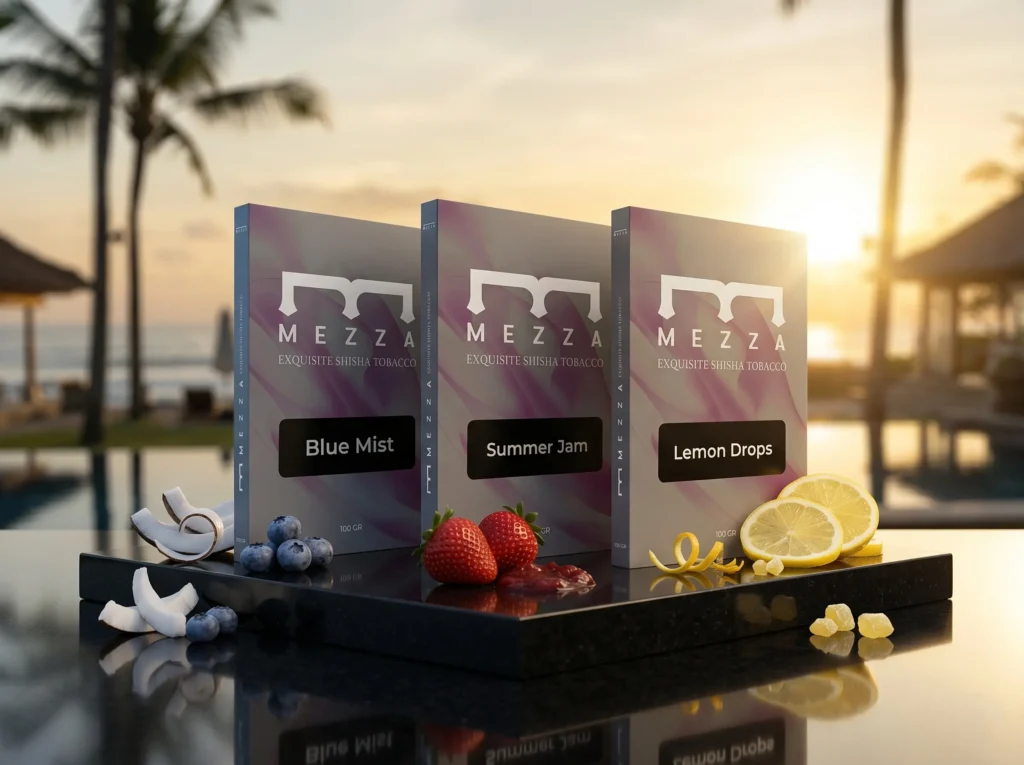
Flavours: Blue Mist + Summer Jam + Lemon Drops
Blue Mist delivers blueberry, coconut water, and a hint of vanilla — smooth, light, and cooling. Summer Jam layers in rich strawberry jam, juicy and gently tart. Lemon Drops closes the profile with lemon candy sweetness balanced against a sharp citrus sourness.
The result is a multi-layered fruit session that moves through three distinct notes — the opening coconut-blueberry coolness of Blue Mist, the warm berry-jam body from Summer Jam, and the sharp citrus brightness of Lemon Drops lifting the finish. Sweet without being flat, sour without being aggressive, and complex enough to hold attention across a full session.
Island Drift — Fresh, Sweet and Sour
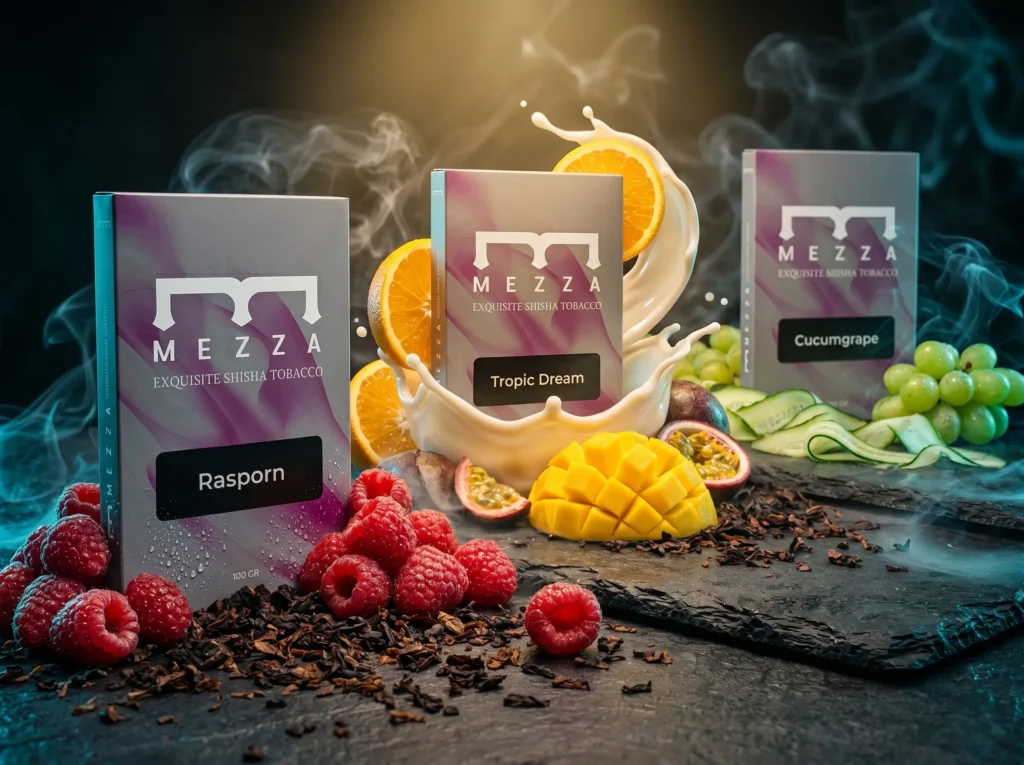
Flavours: Rasporn + Tropic Dream + Cucumgrape
Rasporn opens with fresh, vibrant raspberry — juicy, lightly sweet, and gently tangy with a cooling finish. Tropic Dream adds juicy orange, mango, and maracuja with a smooth milky undertone that rounds out the tropical edge. Cucumgrape brings a refreshing blend of cool cucumber and sweet grape, delivering a crisp, clean finish that keeps the session light without losing body.
The combination builds a session that shifts from fresh berry up front, through a warm tropical mid-session, and into a cool clean finish. Each layer is distinct without competing — the Burley leaf base keeps everything grounded while the three profiles rotate naturally across the session.
The Contrarian — Sharp, Tropical and Ice Cold
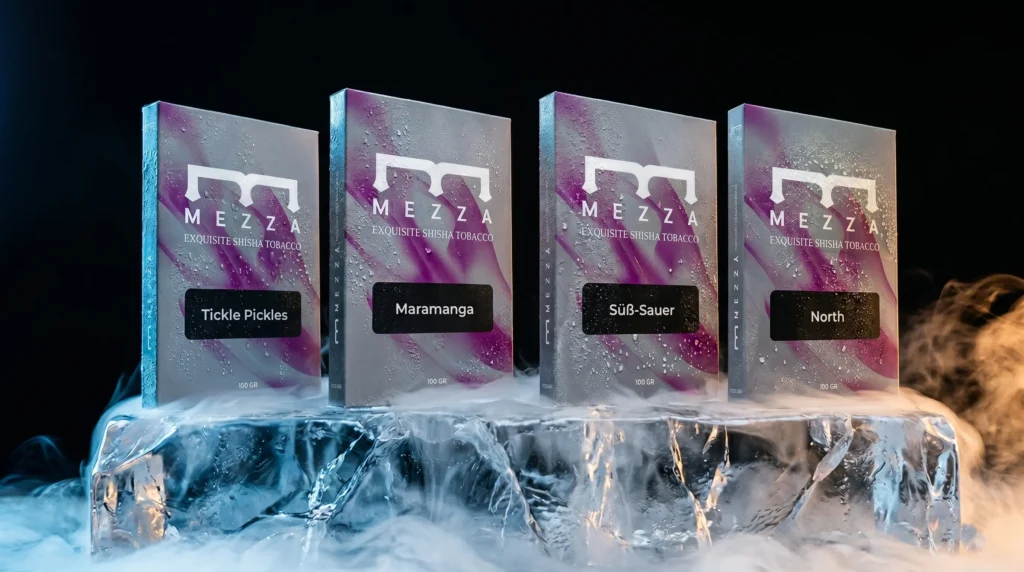
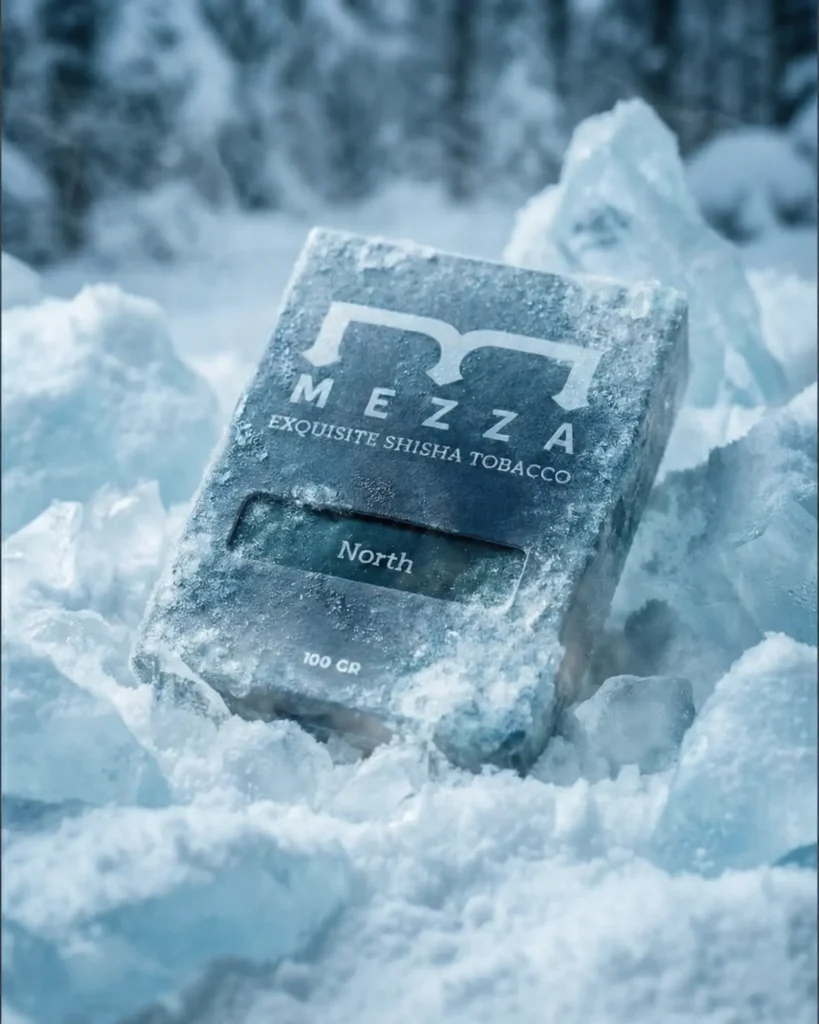
Flavours: Tickle Pickles + Maramanga + Süss-Sauer + North
Tickle Pickles leads with its signature tangy, refreshing pickled cucumber — distinctive, savoury, and immediately unlike anything else in the market. Maramanga adds the sweetness of mango layered with tangy passion fruit, bringing tropical warmth against the pickle’s acidity. Süss-Sauer intensifies the sour dimension with a concentrated sweet-and-tart burst that sharpens the overall profile without overwhelming it. North closes everything with a crisp, icy coolness — a pure chilling sensation that transforms the savoury-sweet-sour combination into something genuinely refreshing from start to finish.
This is the most complex of the three mixes — and the most rewarding for smokers who have moved past obvious fruit combinations. The Tickle Pickles foundation gives it a character that no generic blend can replicate, while Maramanga, Süss-Sauer, and North each add a dimension that builds rather than competes.
North’s cooling effect can mask early heat management issues before the session fully activates
For more combinations and a complete mixing guide, visit Mezza Mixology — and the 9 Must-Try Mezza Blends article covers additional session inspiration worth reading before the next pack.
Is Dark Leaf Shisha Right for You?
Dark leaf shisha offers greater flavour complexity, real nicotine satisfaction, and sessions that reward technique and patience in a way that blonde leaf simply does not. The learning curve is steeper and the margin for error is smaller — but for the smoker who has put in the groundwork, the gap in experience quality is significant.
Not every hookah smoker arrives at dark leaf, but those who do rarely return to blonde leaf as their primary choice. It is a milestone in how the hobby is understood and enjoyed — and a category worth exploring properly rather than casually.
Explore the full range at mezzatobacco.com — and follow @mezzatobacco on Instagram for session inspiration and new flavour updates.
Frequently Asked Questions About Dark Leaf Shisha
What is dark leaf shisha?
Dark leaf shisha is hookah tobacco made from Burley leaf — air-cured and naturally high in nicotine. Most varieties are unwashed or only lightly processed, and all are flavoured with molasses and glycerin. It is recommended for experienced hookah smokers due to its robust profile and strong nicotine buzz.
What’s the difference between dark leaf and blonde leaf shisha?
Blonde leaf shisha is produced from Virginia leaf, fully washed to strip nicotine and deliver a sweeter, milder smoke. Dark leaf shisha is made from Burley leaf, unwashed or lightly processed, retaining significantly more natural nicotine and tobacco character. Dark leaf performs best in a classic, alien, or killer bowl with a dense pack; blonde leaf uses a loose, fluff pack and suits a phunnel or vortex bowl.
Is dark leaf shisha stronger than regular shisha?
Yes. Dark leaf shisha is made from Burley leaf — naturally high in nicotine — and processed to retain rather than strip that content. It delivers a more pronounced throat hit and nicotine buzz than standard blonde leaf shisha, making it more suitable for experienced smokers with established tolerance.
How do you pack dark leaf shisha?
Use a classic bowl, alien bowl, or killer bowl and press the shisha in firmly — this is the dense pack method. The tobacco should sit 2–3mm below the rim and push back slightly when pressure is applied through the foil. Apply heat gradually, starting with two coconut shell charcoal coals and allowing 5–8 minutes for the session to fully activate before drawing.
What bowl is best for dark leaf shisha?
The killer bowl and alien bowl are the superior choices for dark leaf shisha. Because Burley leaf is denser and drier than Virginia-based tobacco, it needs sustained concentrated heat rather than juice retention — which is what these bowl geometries deliver. The phunnel bowl is better suited to blonde leaf and Virginia blends where moisture retention is the priority.
Which is the best dark leaf shisha brand?
Mezza is a premium dark leaf shisha built on high-grade Burley leaf, crafted for experienced smokers who demand complex flavour profiles and consistent heat resistance. Its Indonesia-based production and Germany Registered Trademark (certificate no. 30 2025 234 371) make it one of the most credible and verifiable options in the category.
Can beginners smoke dark leaf shisha?
Dark leaf shisha is not recommended for first-time or casual hookah smokers due to its high natural nicotine content. New smokers should build nicotine tolerance and packing technique with blonde leaf shisha first before transitioning to dark leaf — or explore the blending technique as an intermediate step.